Hatch-Waxman Act: How It Made Generic Drugs Affordable and Accessible
When you pick up a generic pill at the pharmacy for a fraction of the brand-name price, you're seeing the result of the Hatch-Waxman Act, a 1984 U.S. law that balanced drug innovation with affordable access by creating a faster path for generic drugs to enter the market. Also known as the Drug Price Competition and Patent Term Restoration Act, it didn’t just tweak regulations—it rewrote the rules of how medicines are made, sold, and paid for.
This law didn’t just help patients save money. It created a system where companies could copy approved brand-name drugs without repeating expensive clinical trials, as long as they proved their version worked the same way. That’s called bioequivalence, the scientific standard that ensures a generic drug delivers the same amount of active ingredient into the bloodstream at the same rate as the original. The FDA uses this to approve generics through the ANDA process, a streamlined application that cuts years off approval time and saves billions in development costs. Meanwhile, brand-name makers got a limited extension on their patents—up to five extra years—to make up for time lost during FDA review. This trade-off kept innovation alive while opening the door for competition.
Before the Hatch-Waxman Act, generics were rare. Many patients couldn’t afford their meds, and pharmacies had few alternatives. Now, over 90% of prescriptions in the U.S. are filled with generics. But the law didn’t just lower prices—it changed how companies compete. When multiple generic makers enter the market, prices drop fast. But if only one or two companies can produce a drug, prices stay high. That’s why some generics still cost too much, even today. The Act didn’t fix everything, but it gave patients a fighting chance.
What you’ll find below are real stories and guides about how this law touches your life: how to ask your doctor for generics, why some cheap drugs still cost too much, how the FDA checks if they’re safe, and what happens when patents expire. These aren’t theoretical debates—they’re daily choices that affect your health and budget. Whether you’re managing diabetes, high blood pressure, or just trying to stretch your paycheck, the Hatch-Waxman Act is working behind the scenes. And now you know how.
The 30-month stay under the Hatch-Waxman Act lets brand drug companies delay generic approval by up to 30 months through patent lawsuits. It’s legal - but it’s costing patients billions. Here’s how it works and why it’s under fire.
Read More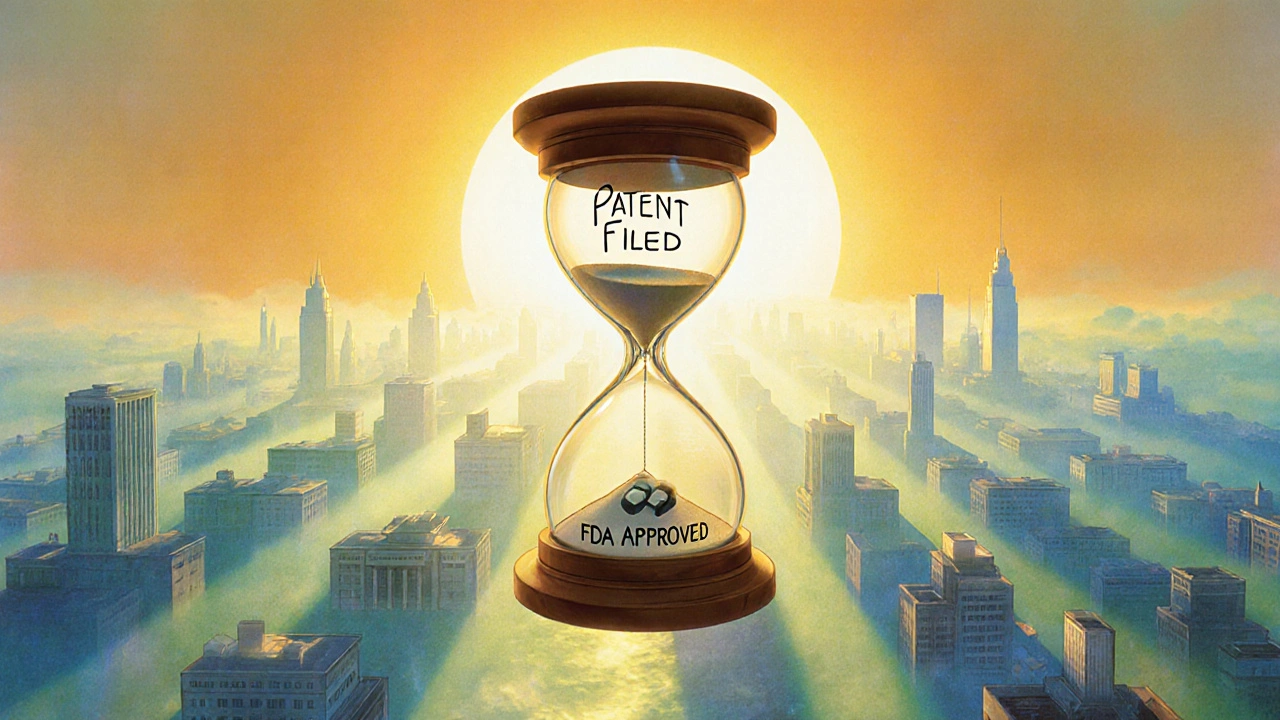
Effective patent life for drugs is often just 10 to 15 years - not 20 - because the patent clock starts at filing, not approval. Learn how regulatory delays, extensions, and secondary patents shape drug pricing and access.
Read More