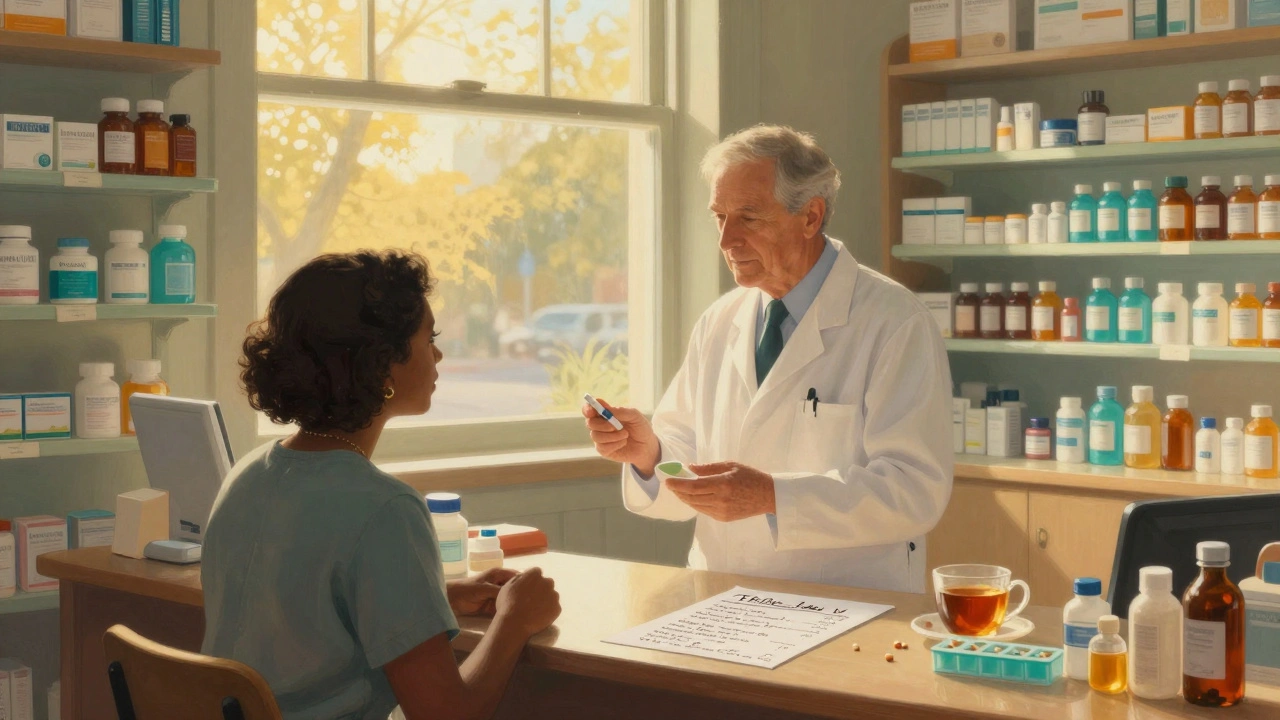
Don’t Just Take It-Ask About It
You pick up your prescription, scan the label, and swallow the pill. But do you really know what you’re taking? Too many people assume the pharmacist is just there to hand over the bottle. That’s not true. Pharmacists are trained medication experts-and they’re one of the most accessible healthcare providers you’ve got. In the U.S., 94% of people live within five miles of a community pharmacy. That’s more than your doctor’s office, urgent care, or even the nearest hospital. And yet, most patients walk out without asking a single question.
Here’s the hard truth: medication errors send over 1.3 million people to the emergency room every year. A lot of those errors happen because someone didn’t understand their medicine. Not because they were careless. Because no one explained it clearly.
Asking the right questions at the pharmacy isn’t being difficult. It’s being smart. It’s how you protect yourself. And it’s easier than you think.
What Is This Medicine For-and Why Am I Taking It?
Start here. Always. If you don’t know why you’re taking a pill, you can’t tell if it’s working. And if you don’t know why you’re taking it, you’re more likely to skip doses or stop altogether.
Thirty percent of medication errors happen because patients don’t understand the purpose of their drug. You might be prescribed something for high blood pressure, but if you think it’s for your headaches, you’ll take it only when you feel bad. That’s dangerous.
Ask: “What condition is this medicine treating?” and “How will I know it’s helping?” Don’t settle for “It’s just for your health.” Get specific. “This lowers my blood pressure by relaxing my arteries.” “This reduces swelling in my joints.” “This prevents blood clots after surgery.” Clarity saves lives.
When and How Should I Take It?
“Take one pill daily.” Sounds simple. But what does that really mean?
Forty-five percent of patients misinterpret dosing instructions. That’s nearly half. Some take it with food when they shouldn’t. Others take it at bedtime when it causes insomnia. Some split pills that shouldn’t be split. All of it can mess up how the medicine works-or make you sick.
Ask: “Should I take this with food or on an empty stomach?” “Is there a best time of day?” “Can I crush or chew this pill?” “Should I avoid alcohol, caffeine, or certain foods?”
Some meds need to be taken with water, not grapefruit juice. Some need to be taken at the same time every day. Some are meant to be taken before bed because they cause drowsiness. Others are timed-release and must be swallowed whole. These details matter. Your pharmacist knows the exact science behind it.
What Side Effects Should I Watch For?
All medicines have side effects. Some are mild. Some are serious. You need to know the difference.
Ask: “What are the most common side effects?” “Which ones mean I should call my doctor right away?” “Are there any side effects I should expect in the first few days?”
For example, if you’re on a statin for cholesterol, muscle pain is a known side effect. But if it’s severe or you notice dark urine, that could mean muscle damage. That’s not normal. That’s urgent.
Some side effects are seasonal. A blood pressure med might make you extra sensitive to the sun. A painkiller could make you dizzy when you stand up. Your pharmacist can warn you about things your doctor might forget to mention because they’re focused on the diagnosis, not the daily experience.
Could This Interact With Anything Else I’m Taking?
Most people don’t realize how many things can interact with their prescriptions.
You’re not just taking one drug. You’re probably taking several: blood pressure pills, diabetes meds, pain relievers, vitamins, herbal supplements. And those can clash.
One in five hospital admissions for drug problems is caused by interactions that could’ve been avoided. That’s not rare. That’s common.
Ask: “Does this interact with my other prescriptions?” “What about my supplements? I take fish oil, turmeric, and St. John’s Wort.” “What about over-the-counter stuff like ibuprofen or antacids?” “Does it affect my coffee or alcohol intake?”
Real story: A Reddit user asked about a blood pressure med and found out hawthorn berry-something they took for “heart health”-was dangerously raising their blood pressure instead of lowering it. Their doctor didn’t know they were taking it. The pharmacist did.
Bring a list. Every pill, every capsule, every tea bag. Even the ones you think don’t matter.
What If I Miss a Dose?
We all forget sometimes. Life gets busy. Kids, work, travel. But what you do next can make a big difference.
Some meds you should take as soon as you remember. Others you should skip entirely. Some can’t be doubled up. Taking two at once could land you in the ER.
Ask: “If I miss a dose, what should I do?” “Should I take it right away? Wait until tomorrow? Skip it?”
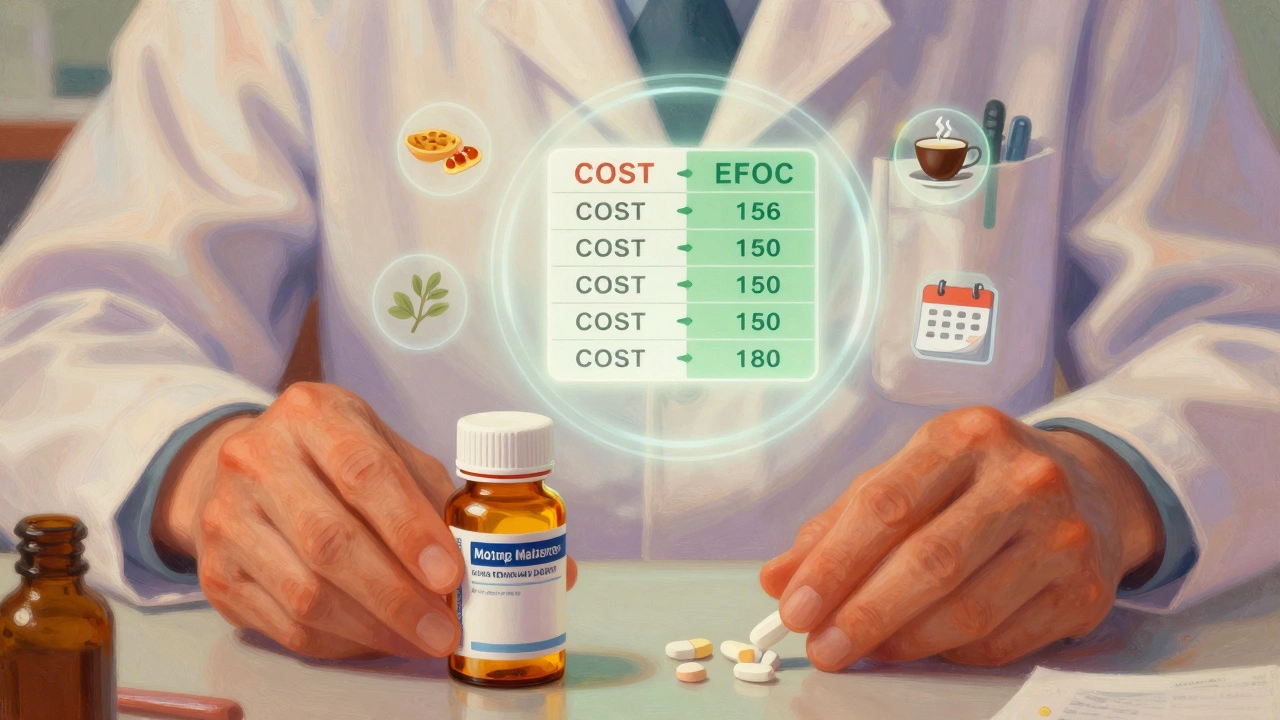
Also ask: “Are there tools to help me remember?” Pharmacists can recommend pill organizers, phone apps, or even text reminders. Some pharmacies offer free blister packs with labeled doses for the week. It’s not just about the pill-it’s about making sure you take it right.
Is There a Cheaper or Generic Version?
Medicine costs are rising. And brand-name drugs aren’t better than generics. They’re just more expensive.
By law, generic drugs have the same active ingredients, strength, and effectiveness as brand names. The only difference? Price. Generics cost 80-85% less.
Ask: “Is there a generic version of this?” “If not, why not?” “Can I switch to a lower-cost alternative?”
Some pharmacies offer $4 generic lists for common meds like metformin, lisinopril, or levothyroxine. Others have discount cards or manufacturer coupons. Don’t assume you’re stuck with the price on the sticker. Ask. It could save you hundreds a year.
How Will I Know If It’s Working?
How long until you feel better? When should you expect results? What if nothing changes?
Sixty-eight percent of patients can’t tell when their medicine should start working. They stop taking it too soon-or keep taking it too long.
Ask: “When should I start noticing improvement?” “Will I need blood tests or check-ups to monitor this?” “What signs mean it’s not working?”
Antidepressants? It can take 4-6 weeks. Blood pressure meds? You might not feel anything-but your numbers should drop. Antibiotics? You should feel better in 2-3 days. If you don’t, you might need a different drug.
Pharmacists track these timelines. They know what’s normal and what’s not. They can tell you when to call your doctor-and when to wait a little longer.
Are There Non-Medication Options?
Not every problem needs a pill. Sometimes, lifestyle changes work better-or at least help the medicine work better.
Ask: “Are there diet, exercise, or other non-drug ways to manage this?” “Would losing weight, cutting salt, or sleeping better help?”
For prediabetes? Losing 5-10% of body weight can reverse it. For high blood pressure? Reducing sodium and walking 30 minutes a day can cut your numbers. For acid reflux? Avoiding late meals and elevating your head while sleeping can reduce symptoms.
Pharmacists aren’t just drug experts. They’re lifestyle advisors too. They’ve seen what works. And they’ll tell you if your medicine is masking a problem that could be fixed another way.

How Do I Store This Safely?
Some meds need refrigeration. Others should be kept dry. Some can be dangerous if kids or pets get into them.
Ask: “Should I keep this in the fridge?” “Is it safe to leave in my bathroom?” “What should I do if I have leftovers?”
Insulin? Must be cold. Eye drops? Often expire 28 days after opening. Antibiotics? Never save them for next time. And never flush pills down the toilet-many pharmacies offer take-back programs for safe disposal.
Also ask: “Is this a controlled substance?” If it is, you need to lock it up. Some states require special storage for opioids, stimulants, or sedatives.
What Should I Bring to My Next Visit?
Preparation makes the difference between a rushed 2-minute chat and a real conversation.
Bring: your full list of all meds (prescription, OTC, vitamins, herbs), your insurance card, and any new symptoms you’ve noticed. Use the FDA’s free “My Medicine Record” form. It’s simple. It asks for 17 key details. Print it. Fill it out. Bring it.
Also use the “teach-back” method. After the pharmacist explains something, say: “So just to make sure I got it right-you’re saying I take this with food, avoid grapefruit, and call if I get dizzy?” If you can explain it in your own words, you’re more likely to remember it. Studies show this boosts adherence by 40%.
And don’t be afraid to ask for more time. If you have three or more questions, say: “I have a few things I’d like to go over. Can we take a few extra minutes?” Most pharmacists will say yes. They want you to be safe.
Why This Matters More Than You Think
Medication mistakes don’t just cause discomfort. They cause hospital stays. They cause organ damage. They cause death.
But here’s the good news: pharmacist-led interventions reduce hospital admissions by 27% and ER visits by 33%. That’s not a small number. That’s life-changing.
Pharmacists are the last line of defense between you and a dangerous mix-up. They catch duplicate prescriptions. They spot allergies you forgot to mention. They warn you about interactions your doctor missed.
And they’re right there-no appointment needed. No wait time longer than 15 minutes. No copay for advice.
So next time you pick up a prescription, don’t just take the bag. Take a minute. Ask your questions. Be the person who knows what’s in their own body.
Can pharmacists change my prescription?
No, pharmacists can’t change your prescription on their own. But they can flag issues to your doctor. If they see a dangerous interaction, an incorrect dose, or a duplicate drug, they’ll call your prescriber and suggest a safer option. In 45 states, pharmacists can also prescribe certain medications like naloxone, birth control, or smoking cessation aids-but only under specific rules. Always let them speak up-they’re trained to catch what others miss.
Do I need to ask questions every time I pick up a refill?
Yes. Even if you’ve taken the same medicine for years, things can change. Your body changes. Other meds change. Your doctor might’ve added a new drug. A new warning could’ve been issued. Pharmacists check for updates every time. A drug that was safe last year might now interact with your new blood pressure pill. Always confirm.
What if I’m too shy to ask?
You’re not alone. Many people feel awkward. But remember: pharmacists hear these questions every day. They’re used to it. You can say, “I want to make sure I’m taking this right-can you walk me through it?” or “I’ve heard this can cause dizziness-should I be worried?” That’s all it takes. They’re there to help, not judge.
Can I talk to a pharmacist over the phone?
Yes. Many pharmacies offer free phone consultations, especially for Medicare Part D patients. Some chain pharmacies have 24/7 hotlines. Rural areas now use telepharmacy-video calls with a licensed pharmacist. If you can’t get to the store, call. Ask the same questions you would in person. Your safety doesn’t depend on your location.
What if the pharmacist gives me conflicting advice from my doctor?
Don’t ignore it. If the pharmacist says something that contradicts your doctor-like a possible interaction or wrong dosage-ask them to explain. Then call your doctor’s office and say, “My pharmacist mentioned X. Can you clarify?” It’s not about who’s right. It’s about making sure you’re safe. Pharmacists and doctors often work together to fix errors before they hurt you.
Final Tip: Make It a Habit
Don’t wait until you’re confused or sick. Make asking questions part of every pharmacy visit. Bring your list. Ask about side effects. Ask about cost. Ask about alternatives. Ask about storage. Ask about timing.
Three questions is the magic number. The American Pharmacists Association’s “Ask Me 3” campaign says: “What is my main problem? What do I need to do? Why is it important?” If you can answer those three, you’re in control.
Your health isn’t something you hand over to a doctor or a pill bottle. It’s something you manage. And your pharmacist? They’re your partner in that job.
Yasmine Hajar
December 4, 2025 AT 14:30Stop treating your meds like magic beans. Ask. Ask. Ask.
Jake Deeds
December 6, 2025 AT 03:28John Filby
December 8, 2025 AT 02:53Also, I bring my list every time now. Even the turmeric. Even the gummy vitamins.
Joe Lam
December 9, 2025 AT 10:50Rachel Bonaparte
December 11, 2025 AT 10:38Scott van Haastrecht
December 12, 2025 AT 13:50zac grant
December 13, 2025 AT 15:55michael booth
December 15, 2025 AT 03:39Gillian Watson
December 15, 2025 AT 22:40Pavan Kankala
December 16, 2025 AT 23:33Jessica Baydowicz
December 18, 2025 AT 06:33jagdish kumar
December 19, 2025 AT 23:26Rudy Van den Boogaert
December 21, 2025 AT 09:50