
MAOI Food Safety Checker
Check Your Food Safety
When taking MAOIs, certain foods can cause dangerous blood pressure spikes due to tyramine. Enter any food item below to see if it's safe for you.
Enter a food item and click "Check Safety" to see if it's safe for MAOI users.
* FDA recommends avoiding foods with more than 6 mg of tyramine per serving
* Always consult your doctor before making dietary changes
Most people who take antidepressants never think twice about what they eat. But if you're on a monoamine oxidase inhibitor - or MAOI - your next meal could be life-threatening. These drugs, developed in the 1950s, are among the oldest antidepressants still in use today. And while they work when nothing else does, they come with rules most other medications don’t have. You can’t have aged cheese. You can’t drink tap beer. You can’t take a cold pill without checking the label. And if you break those rules, your blood pressure could spike to dangerous levels - fast.
Why MAOIs Still Exist in a World of SSRIs
When SSRIs like Prozac and Zoloft came out in the 1990s, they quickly replaced MAOIs. Why? They’re safer. Fewer side effects. No diet changes. But for about 1 in 5 people with depression, those pills just don’t work. That’s where MAOIs come in. They don’t just tweak one neurotransmitter. They boost serotonin, norepinephrine, and dopamine all at once. That’s why they’re often the last resort for people who’ve tried four, five, even six other antidepressants and still feel stuck.
Studies show that when everything else fails, MAOIs help about half of those patients. In treatment-resistant depression, they’re more effective than SSRIs. One 2023 meta-analysis found that for atypical depression - the kind with heavy fatigue, oversleeping, and increased appetite - MAOIs had a number needed to treat (NNT) of just 4.2. That means for every four people treated, one gets real relief. For SSRIs? You’d need to treat almost eight people to get the same result.
So why aren’t more people on them? Because the risks are real. And they’re not theoretical. They’re documented. They’re in FDA black box warnings. They’ve sent people to the ER.
The Tyramine Trap: What You Can’t Eat
The biggest danger with MAOIs isn’t the drug itself. It’s what happens when tyramine - a natural compound in aged, fermented, or spoiled food - meets an inhibited enzyme. Normally, your gut breaks down tyramine with MAO-A. When you’re on an MAOI, that enzyme is blocked. Tyramine slips into your bloodstream and triggers a massive release of norepinephrine. Your blood pressure spikes. Suddenly. Without warning.
Here’s what you need to avoid:
- Aged cheeses (cheddar, blue, parmesan, gouda - anything aged more than 60 days)
- Cured or smoked meats (salami, pepperoni, pastrami)
- Tap beer, homebrew, and some draft wines (bottled beer is usually safe)
- Fermented soy products (soy sauce, miso, tempeh)
- Overripe bananas, fava beans, and certain types of yeast extracts
- Leftovers stored more than 48 hours - especially meats and cheeses
It’s not just about the food. It’s about how it’s stored. A block of cheddar that’s been sitting in your fridge for three weeks? Dangerous. Fresh mozzarella? Fine. A bottle of soy sauce you bought last month? Risky. A can of soy sauce? Probably okay - but check the label. The FDA says any food with more than 6 mg of tyramine per serving is off-limits. That’s why many people on MAOIs learn to cook everything from scratch.
One user on Reddit shared: “I had a hypertensive crisis after eating a slice of leftover pizza with aged mozzarella. My BP hit 220/110. I thought I was having a stroke.” That’s not rare. About 28% of MAOI users report at least one hypertensive episode in their first year - often from something they didn’t think was risky.
Drug Interactions: The Hidden Landmines
It’s not just food. It’s everything you take. Over-the-counter cold meds? Dangerous. Painkillers? Risky. Even some herbal supplements can trigger problems.
Here are the big ones:
- SSRIs and SNRIs - Taking these with an MAOI can cause serotonin syndrome. That’s when your body gets flooded with serotonin. Symptoms: confusion, rapid heart rate, muscle rigidity, fever. It can kill. You need a 2- to 5-week washout period between stopping one and starting the other.
- Pseudoephedrine and phenylephrine - Found in Sudafed, Claritin-D, and most cold remedies. These can spike blood pressure fast. Even one 30 mg pill can trigger a crisis.
- Tramadol, dextromethorphan, meperidine - These pain and cough meds are off-limits. They raise serotonin levels dangerously.
- St. John’s Wort, 5-HTP, L-tryptophan - Natural doesn’t mean safe. These supplements can cause serotonin syndrome too.
Doctors often miss these interactions because they’re not trained in MAOI management. That’s why many patients end up with a list taped to their fridge - not just food, but every medication, supplement, and even OTC product they’ve ever taken. One nurse in Birmingham told me: “I had a patient on phenelzine who took a cold tablet and ended up in intensive care. He didn’t even know the label said ‘decongestant.’”

The Patch That Changed Everything
There’s one MAOI that doesn’t require the same strict diet: the selegiline patch, sold as Emsam. Approved by the FDA in 2006, it delivers the drug through the skin instead of the gut. At the lowest dose (6 mg/24hr), you don’t need to change your diet at all. That’s because the patch bypasses the enzyme in your intestines - the main source of tyramine-related risk.
At higher doses (9 mg and 12 mg), dietary restrictions kick in again. But for many, the 6 mg patch is a game-changer. Only 8% of users on that dose need to avoid tyramine. Compare that to 92% of people on oral MAOIs. The catch? It costs $850 to $1,200 a month. Generic oral MAOIs like phenelzine or tranylcypromine? $30 to $50.
For people who travel, eat out often, or just can’t handle the mental load of food tracking, the patch is often worth the price. One woman in London told me: “I was on Parnate for two years. I stopped going to restaurants. I stopped dating. I got the patch last year. I had my first vacation in five years. I ate pasta with pesto. I drank wine. I didn’t die.”
Who Should Even Consider MAOIs?
Not everyone. MAOIs aren’t for first-line treatment. They’re for people who’ve tried everything else and still feel broken. The American Psychiatric Association recommends them only after SSRIs and SNRIs have failed.
They’re especially helpful for:
- Atypical depression - with oversleeping, overeating, and heavy limbs
- Depression with anxiety or panic attacks
- Depression that didn’t respond to multiple other drugs
- People who’ve had good results with MAOIs in the past
But they’re not for people who:
- Can’t commit to strict dietary rules
- Have uncontrolled high blood pressure
- Take other medications regularly without close monitoring
- Are under 18 or over 65 without specialist oversight
And here’s the truth: even if you’re a perfect candidate, you need a doctor who knows how to manage MAOIs. Not every psychiatrist does. In a 2022 survey, only 7% of general psychiatrists prescribed them regularly. Among specialists in treatment-resistant depression? 38% did.
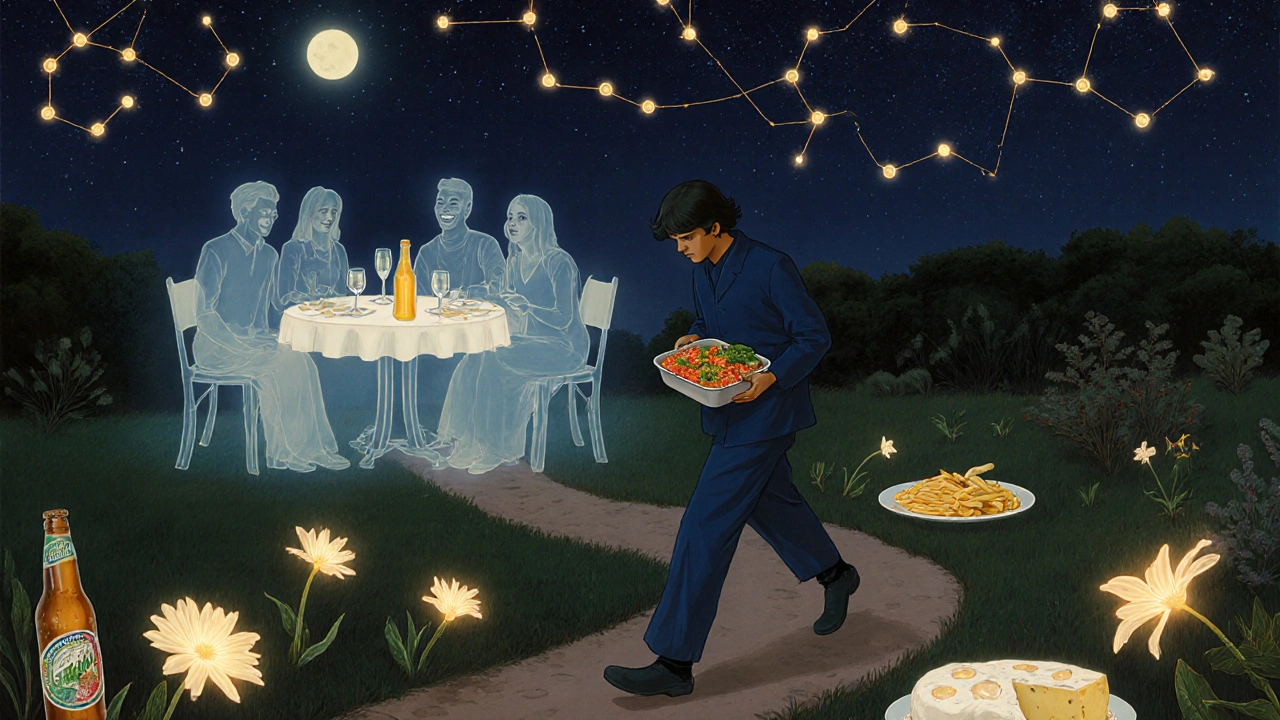
The Emotional Toll of Living with MAOIs
It’s not just physical. It’s psychological.
One user wrote: “I’ve been on MAOIs for six years. I can’t eat at my sister’s house anymore. She makes homemade pasta with parmesan. I used to love it. Now I bring my own food. I feel like a burden.”
Another said: “I stopped going to parties. I stopped saying yes to dinner invites. I’m always thinking: Is this safe? Did they age this cheese? Is this wine fermented? Is this soy sauce okay? It’s exhausting.”
That’s the hidden cost. The anxiety. The isolation. The constant vigilance. One survey found that 63% of negative reviews on Drugs.com mentioned “tyramine anxiety” as their biggest problem. Yet, 78% of positive reviews said the same drug “changed my life.”
People who stick with MAOIs tend to be the ones who’ve been through hell with depression. They’ve lost jobs. Relationships. Years. For them, the trade-off is worth it. A 2022 survey by the Depression and Bipolar Support Alliance found that 65% of MAOI users stayed on treatment for over two years - even with the restrictions - compared to just 42% of those on SSRIs in the same group.
What’s Next for MAOIs?
Research is moving forward. A new experimental MAO-A inhibitor called AZD7325 showed a 70% reduction in tyramine sensitivity in early trials. That could mean fewer dietary rules in the future. The National Institute of Mental Health is also funding studies on MAOIs for bipolar depression - a population that’s often excluded from antidepressant trials.
But for now, the rules haven’t changed. If you’re considering MAOIs, you need to know what you’re signing up for. It’s not just another pill. It’s a lifestyle. A commitment. A constant awareness of what’s on your plate and what’s in your medicine cabinet.
They’re not the easy answer. But for some, they’re the only answer left.
Can you drink alcohol while on MAOIs?
It depends. Bottled beer and wine in small amounts are usually okay, but tap beer, homebrew, and fortified wines (like sherry or port) can be dangerous because they contain higher levels of tyramine. Red wine, especially if aged, carries risk. Some people can tolerate one glass of bottled wine, but others can’t. The safest approach is to avoid alcohol entirely unless your doctor says otherwise - and even then, go slow and watch for dizziness or headaches.
How long do MAOI side effects last?
Side effects like dizziness, dry mouth, or weight gain usually appear in the first few weeks and may improve over time. But the biggest risk - hypertensive crisis - can happen at any point if you eat high-tyramine food or take a dangerous drug. The enzyme inhibition lasts for weeks after you stop the drug, so dietary restrictions continue for at least two weeks after discontinuing MAOIs. Always check with your doctor before stopping or switching.
Are MAOIs safe during pregnancy?
There isn’t enough data to say MAOIs are safe during pregnancy. Most doctors avoid them in pregnant women unless the benefits clearly outweigh the risks - and even then, they’re used with extreme caution. If you’re planning to get pregnant or think you might be, talk to your psychiatrist before starting or continuing MAOIs. Alternative treatments are usually preferred.
Can you switch from an SSRI to an MAOI?
Yes, but you must wait at least two weeks - and often up to five weeks - after stopping the SSRI before starting an MAOI. This is to prevent serotonin syndrome, which can be fatal. Never switch on your own. Your doctor will give you a washout schedule. Some people need to be monitored in a clinic during this transition. The longer the SSRI has been in your system, the longer the wait.
What should I do if I accidentally eat something with tyramine?
If you feel a sudden headache, chest tightness, rapid heartbeat, or blurred vision after eating something risky, check your blood pressure immediately. If it’s above 180/110, call emergency services. If you’ve been given an emergency alpha-blocker like phentolamine by your doctor, take it sublingually as instructed. Do not wait. Even if you feel fine, monitor yourself for the next 24 hours - symptoms can be delayed. Always carry your medication list and a note about your MAOI use.
If you’re considering MAOIs, talk to a psychiatrist who specializes in treatment-resistant depression. Bring your list of medications, your food habits, and your questions. This isn’t a decision to make alone. It’s a partnership - between you, your doctor, and your body.
Karandeep Singh
November 28, 2025 AT 11:40Mary Ngo
November 29, 2025 AT 06:03James Allen
December 1, 2025 AT 00:49Kenny Leow
December 1, 2025 AT 14:43Kelly Essenpreis
December 2, 2025 AT 06:57Alexander Williams
December 3, 2025 AT 00:09Suzanne Mollaneda Padin
December 3, 2025 AT 18:38Erin Nemo
December 3, 2025 AT 19:03ariel nicholas
December 4, 2025 AT 00:34Rachel Stanton
December 4, 2025 AT 14:07Amber-Lynn Quinata
December 6, 2025 AT 02:46Lauryn Smith
December 8, 2025 AT 02:04Bonnie Youn
December 9, 2025 AT 16:53