Pharmaceutical Patents: How They Shape Drug Prices, Generics, and Your Access to Medications
When you buy a prescription drug, you're often paying for something that isn't the medicine itself—it's a pharmaceutical patent, a legal monopoly granted to drug companies to exclusively make and sell a new medication for a set time. Also known as drug patent, it's the reason brand-name drugs cost hundreds or even thousands of dollars, while generics sit on the shelf for pennies. This isn't just corporate policy—it's federal law. The U.S. Patent and Trademark Office gives companies 20 years to recoup research costs before others can copy the formula. But here's the catch: that 20 years starts before the drug even hits the market. By the time the FDA approves it, you might only have 7–12 years of real exclusivity left.
That’s where generic drugs, chemically identical versions of brand-name medications that become available after patent expiration come in. Once the patent runs out, multiple companies can start making the same pill. The competition drives prices down—sometimes by 80% or more. But it’s not always that simple. Some companies stretch patents with minor tweaks, like changing the pill shape or adding a coating. Others delay generics through legal battles, a tactic called "evergreening." And when only one or two generic makers enter the market, prices don’t drop as much as you’d expect. That’s why some drugs still cost a fortune even after their patent expires.
FDA approval, the rigorous process that ensures generics are as safe and effective as the original is what gives you confidence in those cheaper pills. The FDA doesn’t just accept claims—it tests for bioequivalence, checks manufacturing sites, and requires proof that the generic delivers the same amount of active ingredient into your bloodstream. This isn’t a formality. It’s the reason you can trust a $5 generic blood pressure pill just as much as the $150 brand name.
Patents also shape what drugs even get developed. Companies focus on high-profit areas—like weight-loss or diabetes drugs—because they can charge more before generics arrive. Meanwhile, treatments for rare diseases or older conditions often get ignored. That’s why you’ll see dozens of articles about Ozempic but very few about treatments for neglected infections.
What you’ll find below is a collection of real, practical guides that show you how pharmaceutical patents touch your life every day. From how the patent expiration timeline affects your next refill, to why some generics still cost too much, to how the FDA makes sure you’re not getting a cheap knockoff—you’ll see the system from the inside. You’ll learn how to ask for generics, spot when a drug’s patent is about to expire, and understand why your doctor might say no to switching. These aren’t theory pieces. They’re the tools you need to save money, avoid risks, and take control of your medication costs.
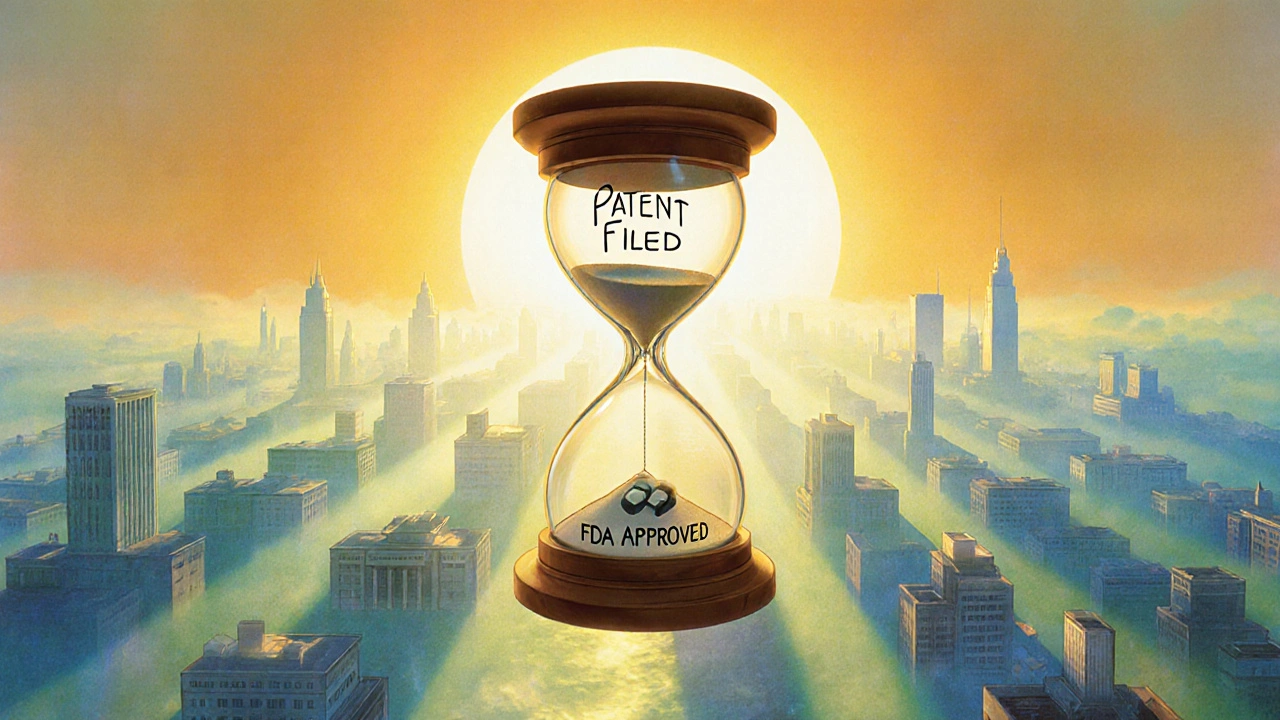
Effective patent life for drugs is often just 10 to 15 years - not 20 - because the patent clock starts at filing, not approval. Learn how regulatory delays, extensions, and secondary patents shape drug pricing and access.
Read More