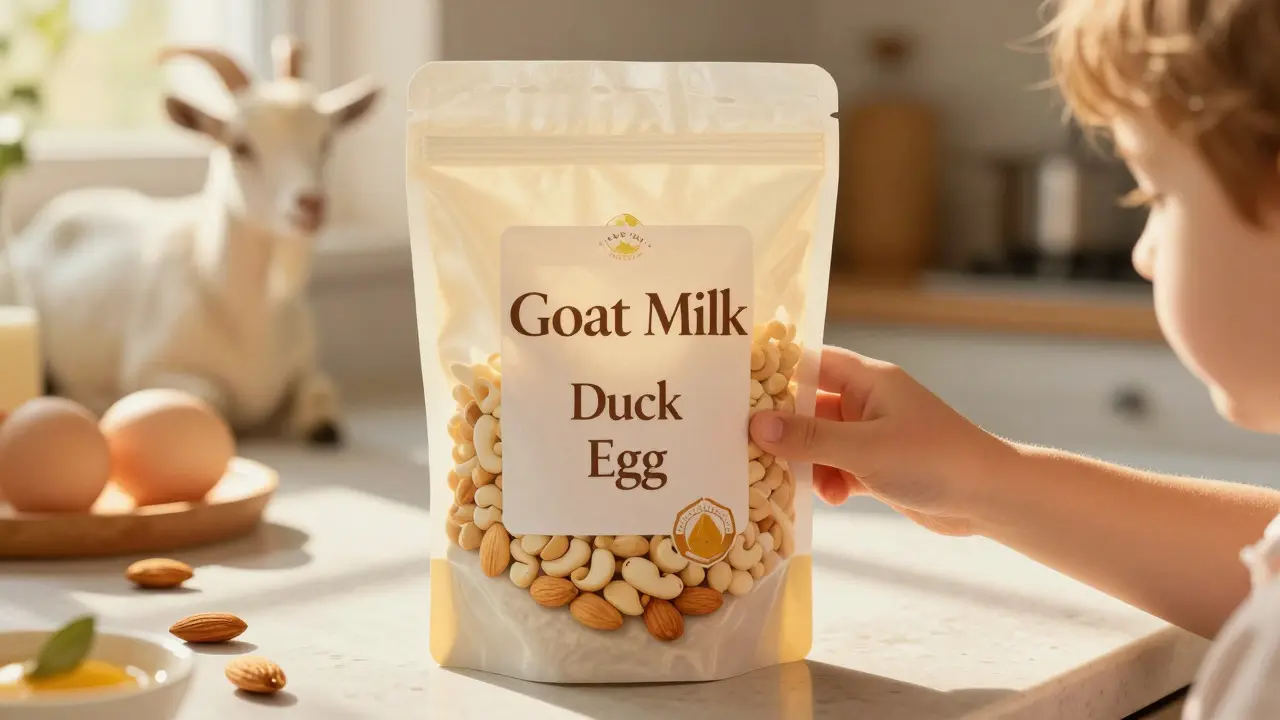
Every time you pick up a packaged food, you’re making a decision that could mean the difference between a safe meal and a trip to the emergency room. For the 32 million Americans with food allergies - and millions more worldwide - food labels aren’t just helpful information. They’re lifelines. But what if those labels are hiding more than they reveal?
What’s Really in Your Food?
The U.S. Food and Drug Administration (FDA) updated its food allergen labeling guidance in January 2025, and it changed everything. Before, a label might say "milk" or "egg" - vague enough to confuse even the most careful shoppers. Now, if a product contains milk from a goat, it must say "goat milk." If it uses duck eggs, it can’t just say "egg." That specificity matters. A parent whose child is allergic to cow’s milk but can safely eat goat’s milk used to have to call the manufacturer. Now, they can just read the label. The same goes for fish. It’s no longer enough to say "fish." The label must specify whether it’s bony fish like trout, cartilaginous fish like shark, or even jawless fish like lamprey. This isn’t just bureaucracy. It’s survival. People allergic to one type of fish often react to others, but not always. Without clear labeling, they’re guessing - and guessing wrong can be deadly.The Coconut Confusion
One of the biggest surprises in the 2025 update? Coconut is no longer considered a tree nut on food labels. That’s right - coconut is now treated as a fruit, not a nut. For years, people with tree nut allergies avoided coconut out of caution, even though it’s not botanically a nut and rarely triggers reactions in those with peanut or almond allergies. The FDA’s change reflects actual science, not fear. This means more food options for people with tree nut allergies - and fewer unnecessary restrictions. But here’s the catch: coconut allergies still exist. About 0.04% of the population is allergic to it. That’s small, but real. The FDA didn’t remove coconut from the allergen list entirely - it just stopped requiring it to be grouped with tree nuts. Manufacturers can still list it separately if they want. The key is transparency. You now know exactly what you’re dealing with.Shellfish: Not All Are Created Equal
Shellfish used to mean shrimp, crab, lobster - and also oysters, clams, and mussels. Now, under the new rules, "shellfish" on a label only refers to crustaceans: crab, lobster, shrimp. Mollusks like oysters and clams are no longer included in the mandatory allergen labeling. That’s a problem. About 1.5 million Americans are allergic to mollusks. Many of them don’t realize they’re at risk because they’ve been told "shellfish" means all seafood with a shell. Now, if a soup says "may contain shellfish," it could mean shrimp - but not oysters. Someone allergic to oysters could eat that soup and have a reaction, thinking they’re safe. This gap in labeling is one of the most dangerous unintended consequences of the update.
"Free-From" vs. "May Contain" - The Dangerous Mix
You’ve seen both. "Gluten-free" on one side. "May contain traces of wheat" on the other. That contradiction used to be common. Now, it’s illegal. The FDA’s 2025 guidance says a product can’t claim to be free of an allergen - like "milk-free" - and then say "may contain milk" on the same package. That’s not just confusing. It’s misleading. And it puts lives at risk. If a product says "no dairy," it must be truly free of dairy - not just mostly free. That means manufacturers have to clean their equipment better, separate production lines, and test for cross-contact. It’s harder. It’s more expensive. But it’s necessary.Hidden Allergens Are Everywhere
Allergens don’t just hide in obvious places. They’re in sauces, spice blends, candies, and even medications. Soy lecithin in chocolate. Egg whites in wine fining. Fish-derived gelatin in gummy vitamins. These aren’t always labeled clearly - even under the new rules. That’s why reading the ingredient list isn’t enough. You need to know what those names mean. For example, "casein" is milk. "Whey" is milk. "Lactoglobulin"? Also milk. If you’re allergic, you need to memorize these. And don’t trust "natural flavors" - they can contain hidden allergens. The FDA doesn’t require them to be broken down unless they come from one of the nine major allergens. So if a flavor contains egg protein, it must say so. But if it contains a tiny amount of soy? Not always.What About Cross-Contact?
Cross-contact happens when a food that doesn’t contain an allergen gets contaminated during manufacturing - maybe from shared equipment or air particles. It’s not intentional. But it’s real. And it’s why so many people with allergies still get sick from products labeled "allergen-free." The FDA says advisory statements like "may contain peanuts" are voluntary. That means companies can choose whether to use them. And they often don’t - especially small brands. That’s a problem. A 2024 FDA inspection found that 37% of products labeled "peanut-free" still had detectable traces of peanut protein. That’s not a mistake. It’s a failure in control. The best defense? Look for products with third-party certification - like GFCO (Gluten-Free Certification Organization) or the Allergen Control Group. These organizations test products and require strict protocols. They’re not perfect, but they’re better than guessing.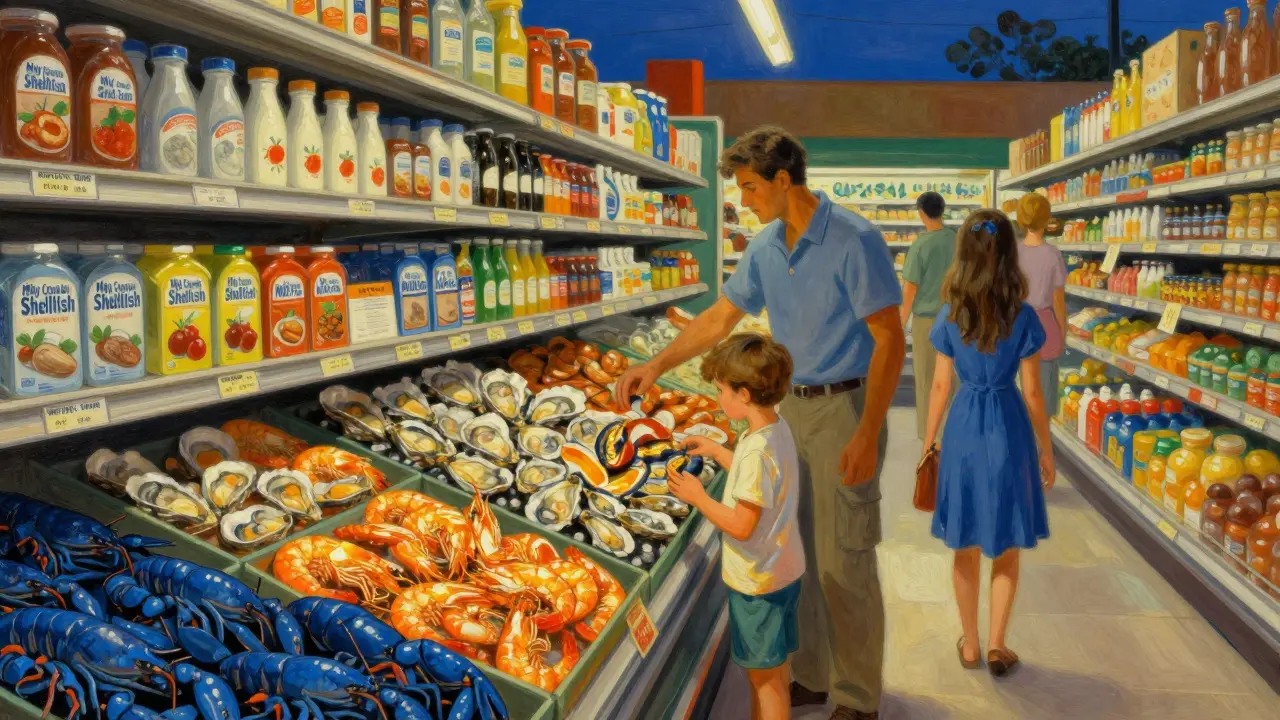
Why This Matters Outside the U.S.
The U.S. is now ahead of most countries in allergen labeling. The European Union still just says "milk" or "eggs" - no animal source. Canada and Australia are closer, but still don’t require fish species or milk type. If you travel, you’re entering a different world. A product labeled "milk-free" in the EU might still contain goat milk. That’s not a loophole - it’s a trap. That’s why many families with food allergies carry translation cards or apps that list allergens in local languages. It’s not paranoia. It’s practical.What You Can Do Right Now
You don’t need to be an expert to stay safe. Here’s what works:- Always read the full ingredient list - not just the "Contains" statement.
- Learn the hidden names for common allergens (like "albumin" for egg or "caseinate" for milk).
- When in doubt, contact the manufacturer. Ask: "Is this product made on shared equipment with [allergen]?"
- Don’t assume "natural" or "organic" means safe. These labels have nothing to do with allergens.
- Check for certification logos if you’re buying for a child or someone with severe allergies.
- Keep a list of your allergens and their synonyms on your phone. Share it with caregivers.
What’s Next?
The FDA is already looking at other potential allergens - like mustard, celery, and lupin - that are common in Europe but not yet regulated in the U.S. The next update could add more. The goal? To make labels as precise as your own body’s reaction. Right now, the system isn’t perfect. But it’s getting better. And every time a manufacturer updates a label to say "goat milk" instead of just "milk," someone’s life gets a little safer.Are food labels required to list all possible allergens?
No. Only the nine major allergens - milk, egg, fish, crustacean shellfish, tree nuts, wheat, peanuts, soybeans, and sesame - are required by law. Other allergens like mustard, celery, or mollusks are not covered under federal labeling rules in the U.S., even though they can cause serious reactions. Always check ingredient lists and contact manufacturers if you’re unsure.
Can I trust "may contain" warnings?
"May contain" statements are voluntary and not regulated, so their reliability varies. Some companies use them responsibly based on testing. Others use them as a legal shield without real risk assessment. Don’t rely on them alone. Look for certified products or contact the manufacturer for details on their allergen control practices.
Why is sesame now a major allergen but coconut isn’t?
Sesame was added to the major allergen list in 2023 under the FASTER Act because it affects over 1.5 million Americans and causes severe reactions. Coconut was removed from the tree nut list because it’s botanically a fruit and rarely triggers tree nut allergies. The FDA bases these decisions on scientific evidence, not popularity. Sesame is a high-risk allergen. Coconut is not - for most people.
What should I do if I have a reaction to a product labeled "allergen-free"?
Report it immediately to the FDA through their MedWatch program. You can file a report online or by phone. This helps the FDA track unsafe products and take action. Also, save the packaging and the product - it may be needed for investigation. Don’t assume it was a mistake. Many reactions come from unlabeled cross-contact or misleading claims.
Do restaurants have to follow the same labeling rules as packaged foods?
No. Restaurant labeling is not regulated the same way. The FDA rules apply to packaged foods sold in stores. Restaurants are covered under state and local health codes, which vary widely. Some offer allergen menus. Others don’t. Always ask detailed questions: "Is this cooked on the same grill as peanuts?" or "Does the sauce contain dairy?" Never assume.
Cecelia Alta
January 11, 2026 AT 03:00Okay but can we talk about how ridiculous it is that coconut got kicked off the tree nut list? I mean, my cousin went into anaphylaxis on a coconut milk latte and now they’re telling us it’s ‘just a fruit’? Like, cool, so my kid’s allergic to almonds but can chug coconut water like it’s Gatorade? Nope. Still scared. And don’t get me started on ‘natural flavors’-that’s just corporate code for ‘we hid something dangerous and hope you don’t read the fine print.’
laura manning
January 11, 2026 AT 05:42It is imperative to note that the FDA’s 2025 revision, while scientifically grounded, introduces significant interpretive ambiguity in the context of cross-contact mitigation protocols. The discretionary nature of advisory labeling-e.g., ‘may contain’-constitutes a systemic failure in risk communication, particularly for populations with non-IgE-mediated reactions. Furthermore, the exclusion of mollusks from mandatory labeling is a critical oversight, as epidemiological data from CDC 2023 demonstrates a 12% increase in mollusk-induced anaphylaxis among adolescents since 2020.
Jay Powers
January 11, 2026 AT 18:01Honestly I think the new rules are a step forward even if they’re not perfect. I used to avoid everything with ‘may contain’ and ended up eating nothing but plain rice and chicken. Now at least I know if it’s goat milk or cow milk. I still call companies when I’m unsure but at least I’m not guessing anymore. And yeah coconut’s not a nut but I still read labels. Just because science says one thing doesn’t mean your body agrees.
Lawrence Jung
January 12, 2026 AT 01:29There’s a deeper truth here that no one wants to admit. Labels are not about safety. They’re about liability. The FDA doesn’t care if you die from mollusks. They care if a lawsuit happens. That’s why sesame got added-too many lawsuits. Coconut got removed-too few. The system isn’t designed to protect people. It’s designed to protect corporations from being sued. We’re just collateral in the legal game.
beth cordell
January 12, 2026 AT 23:08OMG I just realized my daughter’s ‘allergen-free’ granola had coconut in it and I thought it was safe because it said ‘tree nut free’ 😭 I’m so mad rn. Also I found a brand that uses ‘may contain’ but actually tests everything-link in comments! 🙌 #allergywarrior
Rinky Tandon
January 13, 2026 AT 06:08As a clinical immunologist with over 14 years in allergen cross-reactivity profiling, I must assert that the FDA’s decision to decouple coconut from the tree nut classification is an empirically valid recalibration grounded in IgE epitope mapping and basophil activation assays. However, the concomitant omission of molluscan shellfish from mandatory labeling constitutes a dangerous regulatory lacuna, particularly given the high prevalence of cross-sensitization with crustaceans via tropomyosin homology. The current framework remains insufficiently granular for precision allergen management.
Ben Kono
January 13, 2026 AT 21:09My mom’s allergic to soy and she eats a ton of stuff labeled ‘soy-free’ and gets sick every time. I asked her why she doesn’t call the company and she says ‘it’s too much work’. That’s the problem. People don’t want to do the work. The labels are better but people still treat it like a game of Russian roulette
Cassie Widders
January 14, 2026 AT 14:11Used to panic over every label. Now I just check for the certification logos. If it’s GFCO or similar, I’m good. Still read ingredients but it’s less stressful. Also I keep a list on my phone now. Best thing I ever did.
jordan shiyangeni
January 15, 2026 AT 00:09It’s not just about labeling. It’s about moral responsibility. Companies that use ‘may contain’ as a legal loophole while marketing their product as ‘allergen-free’ are not just negligent-they are morally bankrupt. They are trading lives for profit margins. And the FDA, by allowing this voluntary system to persist, is complicit in what amounts to corporate manslaughter. There is no excuse for a child to die because a label said ‘may contain’ and the company didn’t bother to clean their equipment properly. This isn’t a technical issue. It’s a failure of character.
Abner San Diego
January 15, 2026 AT 17:52Why is the U.S. always acting like it’s the only country that knows how to do things? Europe’s fine. Canada’s fine. We’re overcomplicating this. All they need to do is say ‘contains milk’ and leave it at that. Who cares if it’s goat or cow? It’s still milk. And why are we suddenly obsessed with labeling every single fish species? Next they’ll make us list the exact ocean the tuna came from. This is bureaucracy gone wild. We’re not in a sci-fi movie.
Eileen Reilly
January 16, 2026 AT 01:41ok so i just found out that ‘caseinate’ is milk?? like wtf?? i thought that was some kind of protein powder?? i’ve been eating that for years and i’m allergic to dairy?? i’m so mad. also i think the FDA is just trying to make life easier for big food companies not us. this is so messed up.