Emergency Response for Kids: What Every Parent Needs to Know
When a child has a medical emergency, seconds matter. Emergency response for kids, the immediate actions taken when a child is injured, poisoned, or having a severe reaction. Also known as pediatric first aid, it’s not about waiting for 911—it’s about doing the right thing before help gets there. Unlike adults, kids react differently to drugs, toxins, and trauma. A small overdose of children’s Tylenol can cause liver failure. A swallowed button battery can burn through tissue in hours. A simple allergic reaction can turn deadly in minutes. That’s why knowing what to do isn’t optional—it’s essential.
Pediatric medication safety, how medicines are stored, dosed, and used correctly for children, is the first line of defense. Most poisonings happen at home, often from meds meant for adults. A single adult aspirin can be fatal to a toddler. Inhaled steroids can cause oral thrush if not rinsed properly. Even common OTC drugs like ibuprofen or cold syrups can lead to overdose if measured wrong. Child poisoning, accidental ingestion of harmful substances by children is the top reason parents rush to the ER. But many cases can be prevented with simple steps: lock up all meds, use child-resistant caps, never call medicine candy, and keep the poison control number saved in your phone—1-800-222-1222 in the U.S.
When an emergency hits, panic makes things worse. Knowing the basics cuts through the fear. If a child swallows something toxic, don’t wait for symptoms. Don’t make them throw up unless told to. Call poison control immediately. If they’re not breathing, start CPR. If they’re having a seizure, keep them safe, turn them on their side, and time it. If they’re allergic and have an EpiPen, use it—no hesitation. Emergency meds for children, life-saving drugs like epinephrine, naloxone, or glucose gel meant for pediatric use are not just for hospitals. Many families keep an EpiPen on hand for severe allergies. Some keep naloxone for opioid exposure risks. These tools work fast—but only if you know how and when to use them.
What you’ll find below are real stories and clear guides from parents and doctors who’ve been there. From how to spot the signs of a drug reaction in a toddler, to why cranberry juice can interfere with warfarin in teens, to what to do when a child accidentally takes a parent’s blood pressure pill. These aren’t theoretical tips. They’re lessons learned the hard way—and shared so you don’t have to.
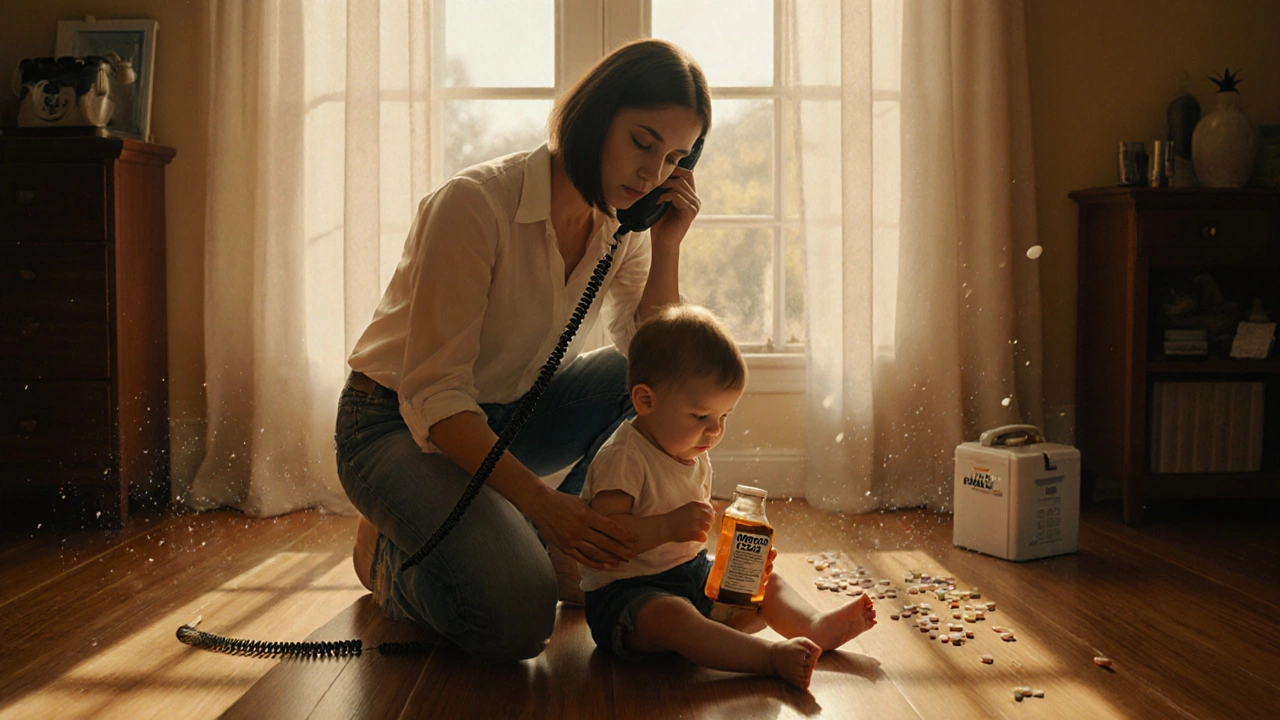
If your child swallows the wrong medication, act fast. Call Poison Control at 800-222-1222 immediately-don't wait. Learn the critical steps to save a life, what symptoms mean danger, and how to prevent future incidents.
Read More